|
|
|
An attempt by Anthropic's Claude failed to prove the Riemann hypothesis, but it did produce something genuinely useful: inspiration.
|
|
|
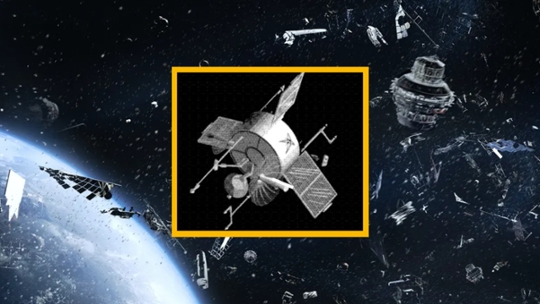
The defunct USA 32 (or Farrah III) satellite, which launched in 1988, broke apart without warning on Sept. 13, around 480 miles above Earth's surface. Experts are still unsure what caused this sudden fragmentation, how many pieces it created, or how the debris might impact other nearby spacecraft.
|
|
|
|
The first people in the Americas arrived no earlier than 21,000 years ago, but 'there are huge gaps in our genetic dataset,' a new study reports.
|
|
|
|
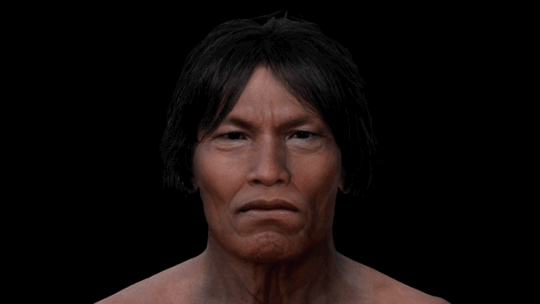
You can now see a facial reconstruction — and the particular hairstyle — of a man who lived more than 3,000 years ago in what is now Ecuador.
|
|
|
|
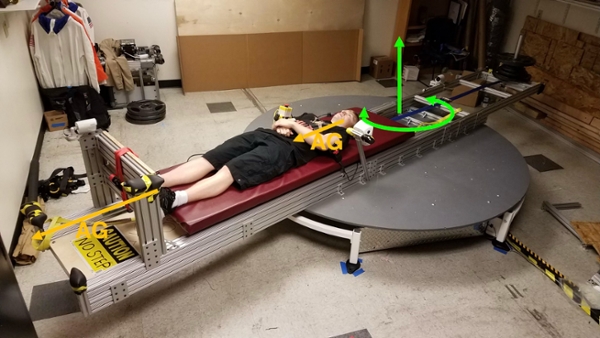
Among the many risks astronauts face during long-haul spaceflight, an extended stay in microgravity is one of the most consequential for long-term health, with effects on vision, bones, muscles and many other aspects of the body.
One solution might be artificial gravity — some way to create forces similar to Earth's gravity on a spaceship, akin to the giant rotating ring from Stanley Kubrick's 1968 film "2001: A Space Odyssey."
But is that technology ever coming, or will it remain science fiction?
|
|
The world can be a pretty mysterious place and in our Life's Little Mysteries series we love to ask and answer scientific questions about mysteries big and small: about ancient civilizations, our planet and our solar system, the plants and animals that live alongside us, our bodies and how they work, and the technologies that we use every day.
If you want to join us on this exciting voyage of discovery and downright weirdness, get an exclusive Life's Little Mystery delivered to your inbox before it's published anywhere else by signing up for our weekly newsletter.
|
|
|
|
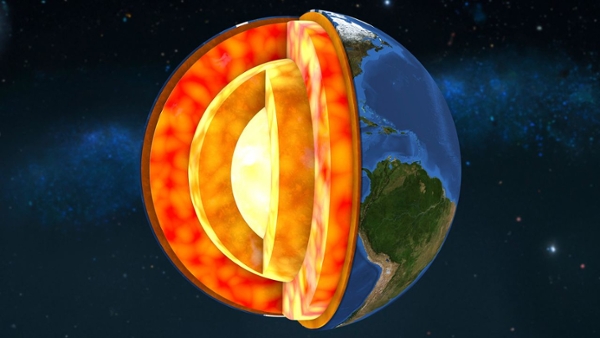
Researchers may have found a missing link in how Earth's mantle gets wet: newly discovered iron minerals that can store water at the extremely high temperatures and pressures present near our planet's core.
|
|
|
|
A new machine-learning "speech clock" estimates a person's chronological age from their speech, drawing links between older-sounding speech and cognitive decline.
|
|
|
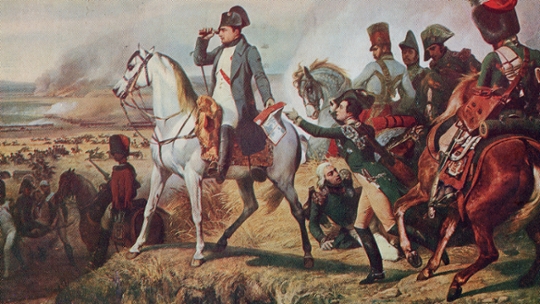
GPT-6 Astra has been used to solve a centuries-old cipher used to convey strategic military information between Napoleon's troops.
|
|
|
| Also in the news this week |
|
|
|
Psychologists have long studied the deficits associated with being raised in adversity. They're now discovering the hidden strengths that can emerge in those settings.
A specific balanced perspective does not deny that growing up in adversity — a catchall term that encompasses, for example, neglect, exposure to household or community violence, and household instability — can be damaging or even traumatizing. Rather, the approach acknowledges that individuals raised in such environments may also develop specialized skills that have previously been overlooked or discounted by researchers.
|
|
|
| This week on Live Science Pro |
|
|
BOOK EXCERPT | Science writer Kit Chapman on the weird world of alchemy before chemistry.
|
|
|
|
|
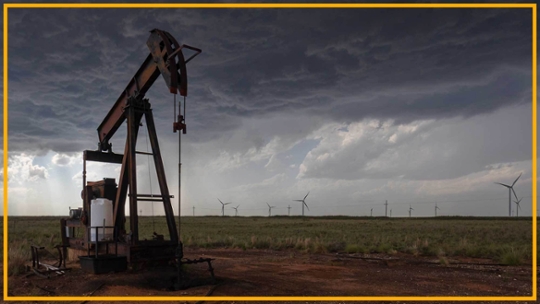
OPINION | The cost of clean energy just keeps falling as the price of coal ramps up. Politicians promising affordability will follow those savings no matter who is in the White House. And in the meantime, there are ways to speed up the transition, says associate professor Leah Stokes.
|
|
|
|
|
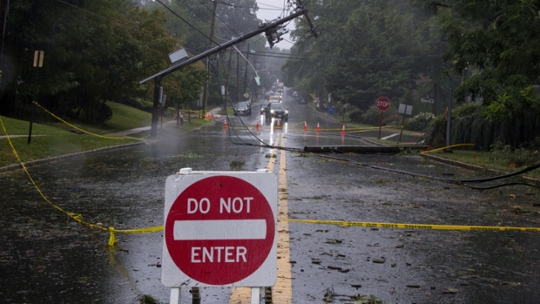
ANALYSIS | A U.K. government minister has urged people in Britain to stock up on essentials to prepare for storms magnified by the record-breaking El Niño. Should Americans heed the same advice?
|
|
|
|
|
|
Go beyond the headlines to read the latest in-depth science features, op-eds, book excerpts and more.
|
|
|
| Something for the weekend |
|
|
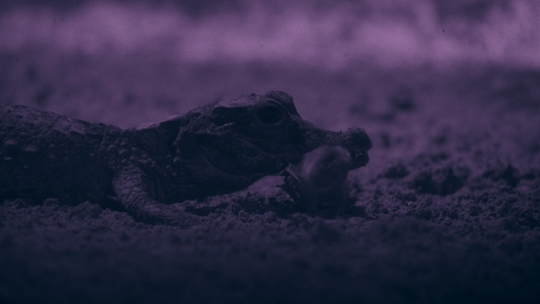
The world's smallest crocodiles use a sneak attack to hunt bats in hellish underground caves filled with poop, a new video reveals.
The footage of the never-before-seen behavior was captured for the upcoming National Geographic series "Africa: Earth's Wild Home" and offers a rare glimpse into the lives of Gabon's mysterious cave-dwelling dwarf crocodiles.
|
|
|
| Follow Live Science on social media |
|
|
|
|
|
|
|
|
|












No comments:
Post a Comment