|
|
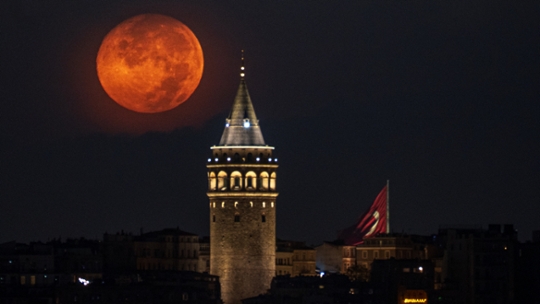
The spectacle of last night's full "Hunter's Moon" has been and gone, but there are still plenty of stargazing highlights to look forward to as we bring October to a close!
We'll start by keeping our gaze locked on the lunar disc as it ploughs through the sparkling stars of the Pleiades, before hunting for the light of the first discovered planetary nebula in the glare of the waning moon.
Next we exploit a precious post-sunset window of moonless sky to track a stellar owl through the constellation Cassiopeia and revel in the majesty of the Orion Nebula — a massive star-forming region that glows a mere 1,500 light-years from Earth.
Finally, why not also indulge in a spot of Halloween skywatching as we enter the final week of the spooky season, and be sure to keep an eye out for our Halloween coverage ahead of the big day on Oct. 31!
Here's what to watch for this week.
Clear skies,
Anthony Wood
Skywatching Writer, Space.com
|
|
 |
| (Jules-Pierre Malartre/Starry Night) |
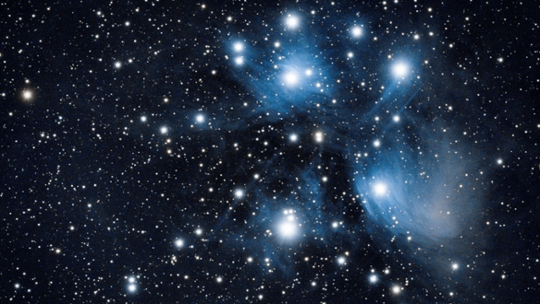
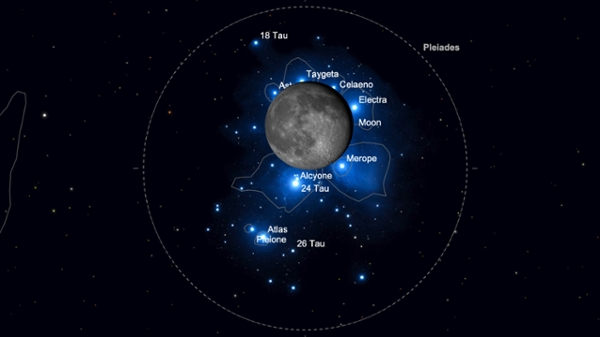
The moon and Pleiades are set for a spectacular rendezvous in the eastern sky after sunset on Oct. 27, when the lunar disk passes directly through the hive of gravitationally-bound stars, hiding their light for millions of skywatchers in the U.S.
It will make for a spectacular sight to the naked eye, but a pair of 10X50 binoculars will help reveal the true majesty of the cluster's blue-white stars, while revealing a multitude of lunar seas, craters and mountain ranges marking the lunar surface.
|
|
 |
| (Jules-Pierre Malartre/Starry Night) |
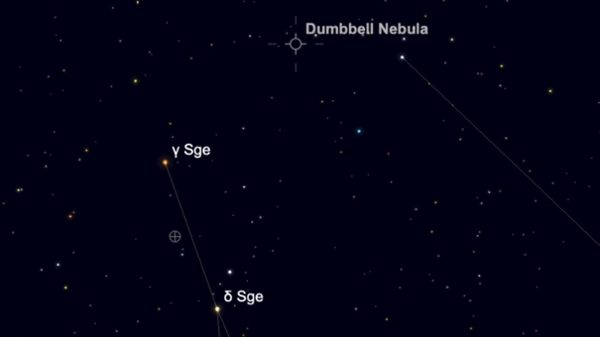
The Dumbbell Nebula (M27) was the first planetary nebula identified by astronomers, which formed when an aging star cast off its outer layers to create a vast shell of ionized gas. Its high brightness makes it a great deep-sky target to try and spot in the glow of the 93%-lit moon on Oct. 28!
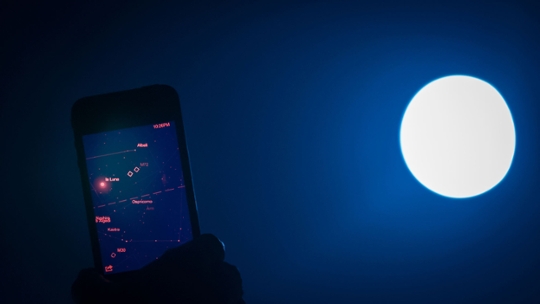
First, locate the tiny constellation of Sagitta, aka "The Arrow," lurking in the western sky after sunset on Oct. 28 and find the magnitude 3.47 star Gamma Sagittae using a smartphone astronomy app.
The Dumbbell Nebula (M27) will appear as an hourglass-shaped smudge of milky light through the eyepiece of a small to medium telescope, shining less than 5 degrees away from Gamma Sagittae in the direction of the bright star Eta Cygni in the constellation Cygnus.
|
|
 |
| (Jules-Pierre Malartre/Starry Night) |
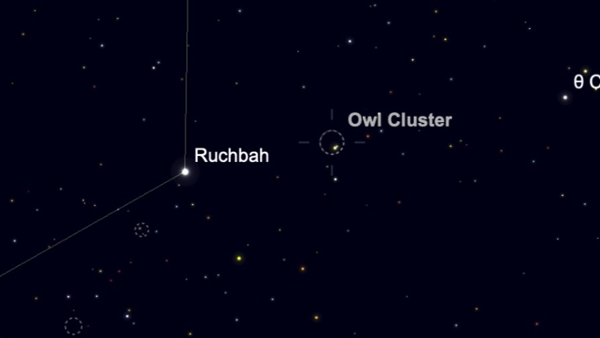
The moon won't rise above the eastern horizon until around 8:35 p.m. local time for viewers in the U.S. on Oct. 29, granting us a short window of dark skies in which to go looking for beautiful stellar alignments.
It's just enough time to explore the Owl Cluster, whose stars take on the vague shape of the titular bird as they glow close to the bright star Ruchbah in the constellation Cassiopeia in the northeastern sky!
|
|
 |
| (Jules-Pierre Malartre/Starry Night) |
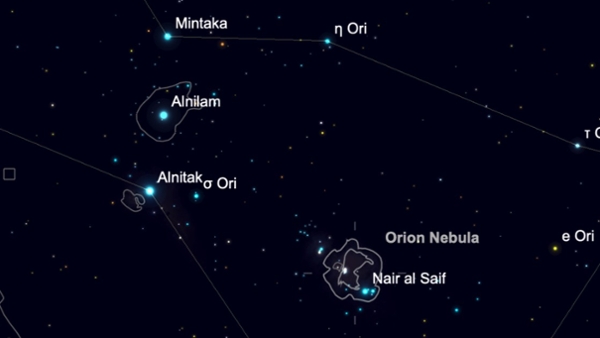
The Orion Nebula can be found rising over the eastern horizon around 11:30 p.m. local time for viewers in the U.S., with the three famous stars of Orion's Belt — Alnitak, Alnilam and Mintaka — glistening nearby.
|
|
|
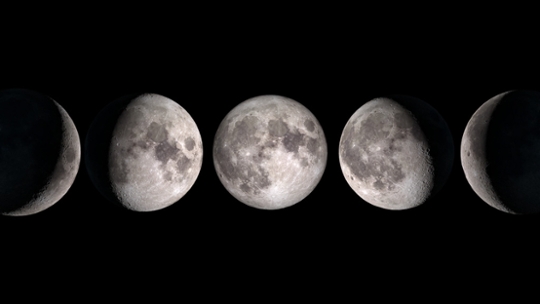
The last quarter moon occurs at 3:28 p.m. EST (2028 GMT) on Nov. 1, when the moon will appear half-lit in Earth's sky. The moon rises around midnight and sets in the daytime sky close to noon. The moon will shine close to Mars and Jupiter in the eastern sky when it rises before midnight in the late evening of Nov. 1, making for a spectacular naked-eye display.
|
|
|
|
Feast your eyes on the best photos of October's full 'Hunter's Moon'.
|
|
|
Five spooky skywatching targets perfect for naked eye stargazing this Halloween!
|
|
|
The right apps can take a lot of the work out of stargazing, but they can also stop your eyes from adjusting to the dark. Here's how to use them without ruining your skywatching.
|
|
|
|
The "eclipse of the century" will plunge some of ancient Egypt's most spectacular sites into darkness on Aug. 2, 2027. These temples, tombs and monuments are inside the path of totality.
|
|
|
|
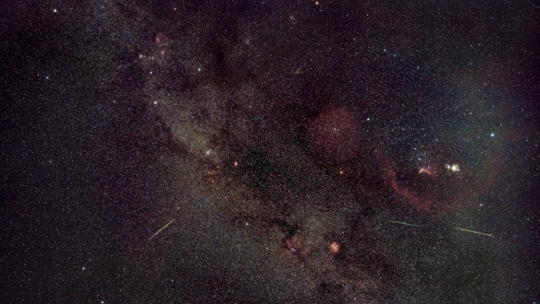
This incredible composite image of Orionid meteors was captured as Earth passed through the debris trail shed by Halley's Comet.
|
|
|
| Astronomy Kit and Accessories |
|
|
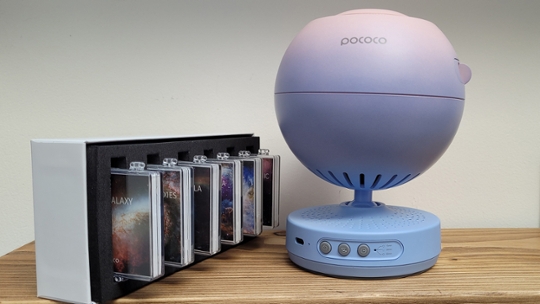
These six realistic star projectors are much more than mood lighting. Their projections are scientifically accurate enough to serve as actual stargazing practice, perfect for budding astronomers, young and old.
|
|
|
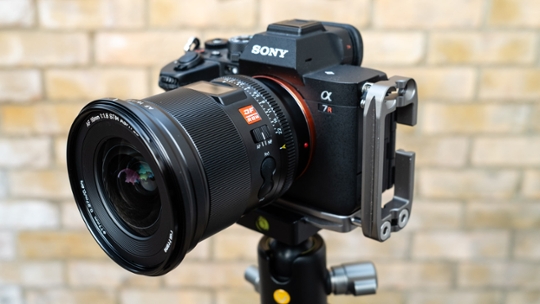
The Viltrox AF 16mm f/1.8 FE is an impressive ultra-wide-angle prime lens offering great handling, build quality and image quality for an affordable price.
|
|
|
| Stay up-to-date on all things space science, news, and entertainment by subscribing to our newsletters. |
|
|
|
 |
Follow Night Sky This Week |
 |
 |
 |
 |
|
|
|
|
|
|
|