---------- Forwarded message ---------
From:
Live Science <livescience@smartbrief.com>
Date: Sat, 5 Sep 2026 at 12:23
Subject: Sea ice is shrinking in the North Pole | Psilocybin could help with chemotherapy side effects | What's on the menu for global warming?
To: <
zvagoman@gmail.com>

|
|
|
|
|
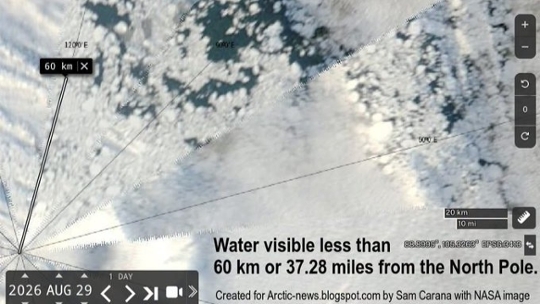
An image from NASA Worldview shows how brittle Arctic sea ice is becoming due to global warming, with large patches of open water visible near the North Pole on Aug. 29.
|
|
|
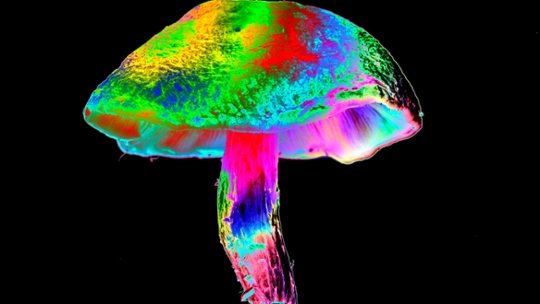
A psychedelic best known for its effects on the brain may also protect peripheral nerves from chemotherapy damage, early research suggests.
|
|
|
|
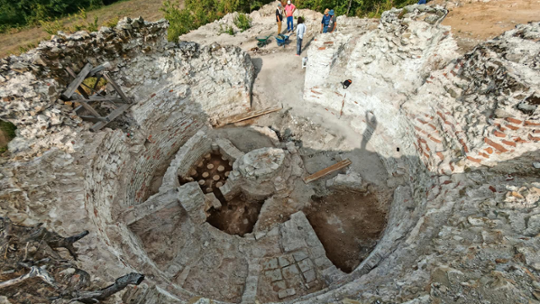
The ancient bath complex was tucked in a tower in the corner of the royal palace and reveals unique architecture.
|
|
|
|
Physicists have proven a 100-year-old prediction of relativity by showing that Einstein's equivalence principle holds at quantum scales.
|
|
|
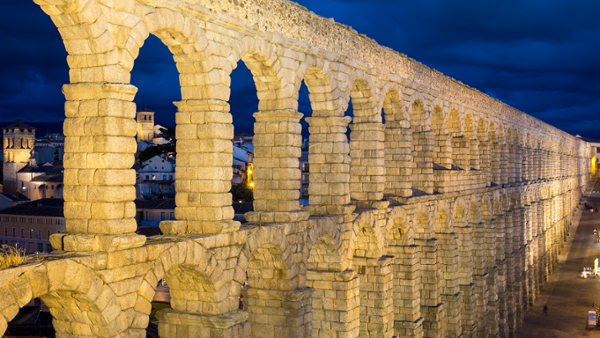 |
| (Tim Graham via Getty Images) |
The Romans are well known for their aqueducts, which brought water to their cities and settlements. The aqueducts also lasted a long time; their remains are some of the most prominent Roman architectural finds visible today. So how did the Romans build such large and long-lasting aqueducts?
|
|
|
|
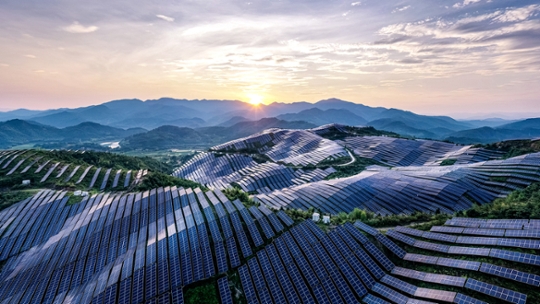
China is rapidly expanding its ability to harness renewable energy sources.
|
|
|
|
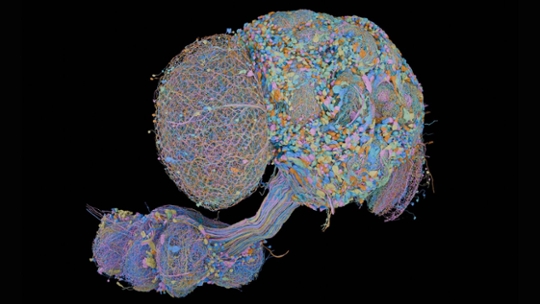
A new map of the adult male fruit fly brain and nerve cord includes over 166,000 neurons and the millions of connections between them.
|
|
|
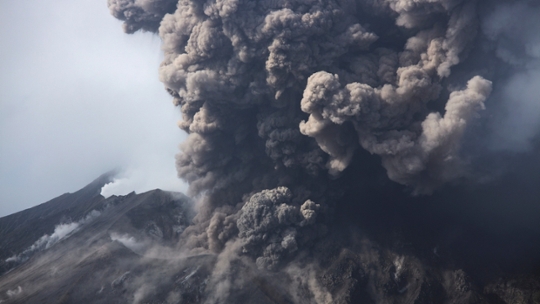
Geologists recently identified a 454.4 million-year-old volcano on England's east coast, but whether the structure can be considered a "supervolcano" remains an open question.
|
|
|
| Also in the news this week |
|
|
|
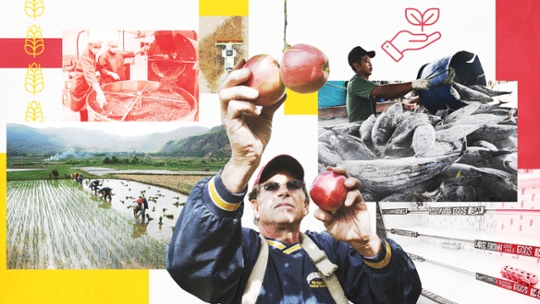
Pick a crop, any crop, and you'll hear a similar story: Extreme weather and climate change are rocking the food supply. The warming climate makes food less nutritious, threatens crop survival, and triggers tipping points that would upend farming as we know it. The impacts will be felt most intensely in less-developed regions of the world, where many people can't afford imported food and climate-related famines and nutritional scarcity are already happening.
|
|
|
| This week on Live Science Pro |
|
|
Governments must start preparing for Black Swan events, says researcher Florian Ulrich Jehn.
|
|
|
|
|
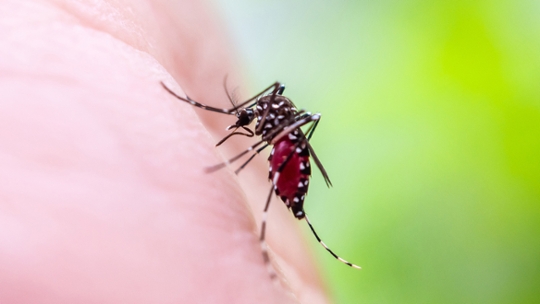
The yellow fever virus is reemerging in regions where it hadn't been seen for decades. Warmer temperatures and extreme weather could make conditions more favorable for the mosquitoes that carry the virus.
|
|
|
|
|
A new study suggests that at least 1 in 4 former NFL players who died in recent years had CTE. Concussion expert Thayne Munce puts the finding into context.
|
|
|
|
|
|
Go beyond the headlines to read the latest in-depth science features, op-eds, book excerpts and more.
|
|
|
|
People's bodies may reflect their ages very differently at the molecular level, even when they are the same chronological age, according to a new study.
|
|
|
| Something for the weekend |
|
If you're looking for things to keep you busy over the weekend, here's a selection from our best interviews, explainers, skywatching guides and crosswords that we published this week.
|
|
|
|
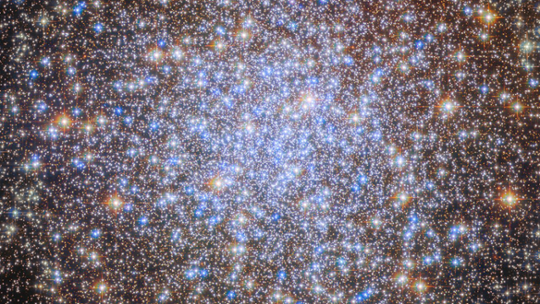
In this single Hubble Space Telescope image, tens of thousands — possibly millions — of stars bound tightly by gravity sparkle as one. This is NGC 6723, a glittering globular cluster about 27,000 light-years away, in the constellation Sagittarius. Also known as the Chandelier Cluster, this swarm of stars is one of about 150 known globular clusters that orbit in the halo of the Milky Way, though others may remain hidden behind thick cosmic dust or crowded star fields at the galaxy's bright core.
|
|
|
| Follow Live Science on social media |
|
|
|
|
|
|
|
|
|
|











No comments:
Post a Comment