|
|
|
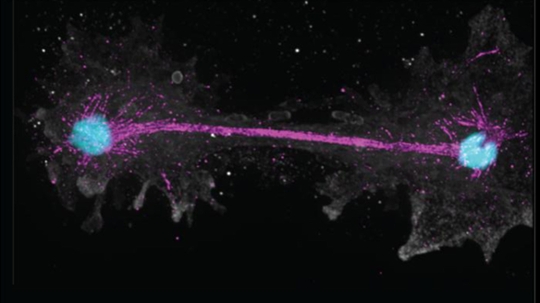
The newly-described amoeba Incendiamoeba cascadensis can survive at a sweltering 145 degrees Fahrenheit.
|
|
|
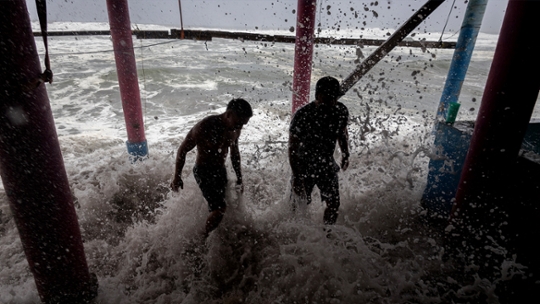
Hurricane Polo exploded from a tropical storm into a powerful Category 5 hurricane in less than 24 hours and is one of the strongest Pacific hurricanes on record.
|
|
|
A unique AI test environment resulted in crimes and self-destruction, and its makers say it's the best way to figure out how AI can behave in the real world.
|
|
|
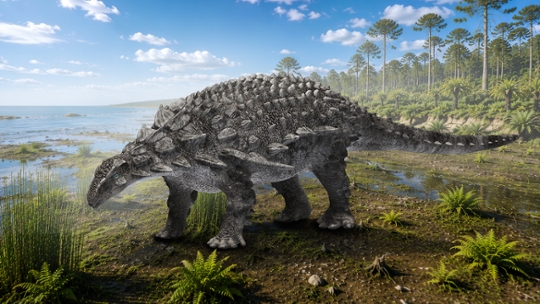
The newly described dinosaur is only the third nodosaurid fossil found in Asia. Researchers say its ancestors may have migrated from North America.
|
|
|
|
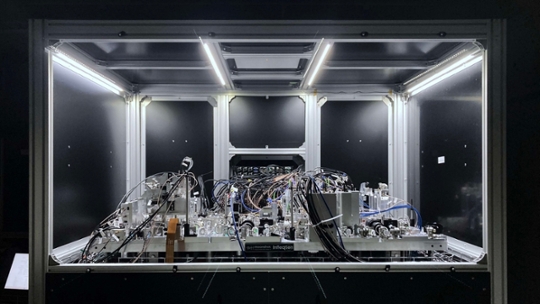
Japan's new quantum system, Shunkai, uses "optical tweezers" to trap and rearrange atoms, and will be available to researchers working on quantum error correction.
|
|
|
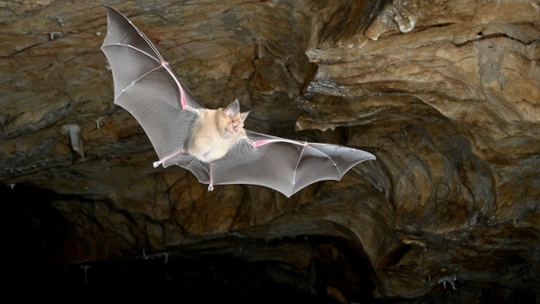
In the largest study of its kind to date, researchers compiled data from 103 bat genomes and 44 fossils to rewrite the bat family tree and determine where these animals first evolved.
|
|
|
|
Astronomers looking at Vera C. Rubin Observatory test data have discovered 'Aquarius IV,' believed to be a brand new satellite galaxy of the Milky Way located 350,000 light-years away.
|
|
|
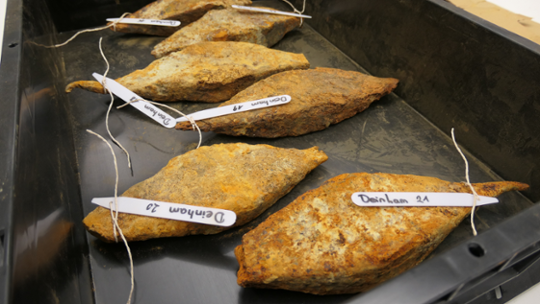
Archaeologists in Austria have analyzed a collection of 500 iron bars that were likely lost in a Danube shipwreck 2,200 years ago.
|
|
|
|
Lithium remains the gold standard for one of the most complex psychiatric conditions. Scientists are still getting to grips with why.
|
|
|
|
AlphaGenome Atlas could make it easier for geneticists to access powerful AI, but its predictions aren't always accurate.
|
|
|
A new high-resolution map of global freshwater trends between 2002 and 2025 has sharpened scientists' understanding of how humans are using and displacing our most precious resource.
|
|
|
|
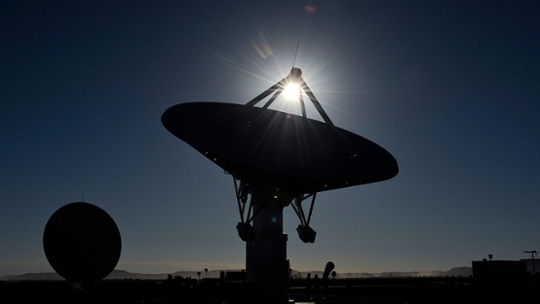
Scientists have found the first convincing direct evidence of radio signals coming out of the exoplanet Beta Pictoris b. Even if it's not aliens, it could still teach us something big about life in space.
|
|
|
The peeling away of Earth's crust beneath Italy may explain a lot of the seismic activity in the mountains that run along the spine of the country.
|
|
|
| Also in the news this week |
|
|
As the planet warms, our environment will be transformed — and so will our bodies. In this exclusive series, we explore the health impacts of climate change, from extreme heat and worsening air quality to smaller harvests and increased infection risks. We also investigate the solutions that could help us adapt to a warmer future.
To mark the end of Climate Week, we've made the first two parts of the series free to all Live Science readers. If you want to continue reading the remaining four features, while supporting our in-depth science journalism, please consider subscribing to Live Science Pro.
|
|
|
Extreme heat will become more common as the climate continues to warm. That will affect almost every facet of our health.
|
|
|
Wildfires are projected to increase dramatically due to climate change. That could trigger a massive increase in heart attacks, premature births and early deaths, research reveals.
|
|
|
| This week on Live Science Pro |
|
|
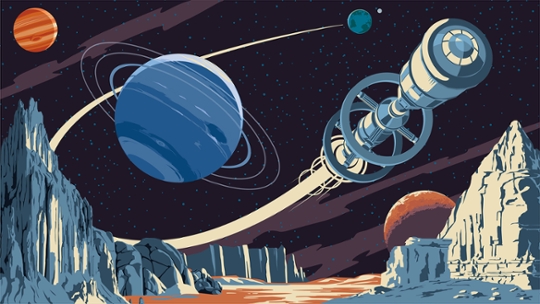
SCIENCE SPOTLIGHT | Several companies have made significant headway toward nuclear fusion propulsion drives. Is humanity on the brink of a revolution in spaceflight?
|
|
|
|
|
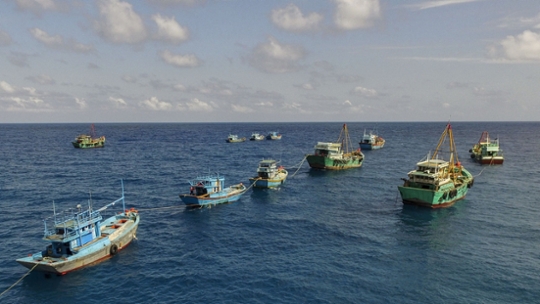
INTERVIEW | Live Science spoke with Rose George, journalist and author of "Every Last Fish," about her book, which delves into the murky world of the fishing industry, the intelligence of the animals harvested, and the hurdles preventing sustainability in the oceans.
|
|
|
|
|
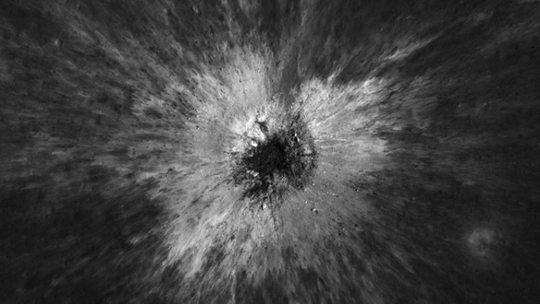
INTERVIEW | Scientists using NASA's Lunar Reconnaissance Orbiter (LRO) have discovered McGetchin crater, a giant new impact structure measuring more than 700 feet wide. LRO investigator Julie Stopar explains what the discovery could mean for humanity's future on the moon.
|
|
|
|
|
|
Go beyond the headlines to read the latest in-depth science features, op-eds, book excerpts and more.
|
|
|
| Something for the weekend |
|
|
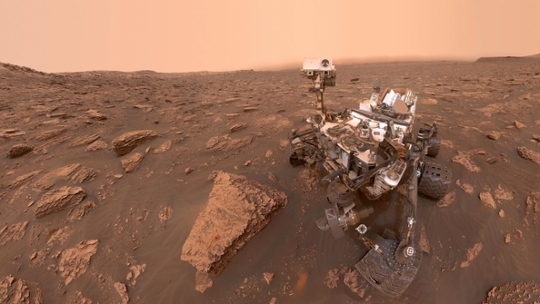 |
As of Aug. 30, 2026, NASA's Curiosity rover has officially seen the sun rise and set over Mars' reddish horizon more than 5,000 times in its quest to discover if life ever existed there. The rover was originally planned to operate for only two years, but the mission is still going strong more than 14 years after landing on Mars in August 2012.
During that time, the rover has weathered global dust storms and climbed more than 3,200 feet (1,000 meters) up a mountain — although its tires have gotten some rather large holes in them in the process. The rover still uses its 17 cameras to take hundreds of photos every single sol (Martian day), beaming a total of more than 780,000 photos back to Earth for scientists to analyze while mission controllers decide where the rover should roam next.
In honor of the intrepid rover's 5,000th day on the Red Planet, here are 10 of the most iconic photos Curiosity has snapped for Earthlings to admire.
|
|
|
|
Get a new challenge every day with our free online sudoku puzzles.
|
|
|
|
|
You have six chances to guess our five letter word of the day. Can you figure it out and top the leaderboard?
|
|
|
|
|
Test your knowledge on all things science with our weekly, free crossword puzzle!
|
|
|
|
| Follow Live Science on social media |
|
|
|
|
|
|
|
|
|
















No comments:
Post a Comment