Keep’emPeeled @ http://www.astronutter.com
Begin forwarded message:
On Saturday, September 19, 2026, 12:32 pm, Live Science <livescience@smartbrief.com> wrote:
Live Science

|
|
|
|
|
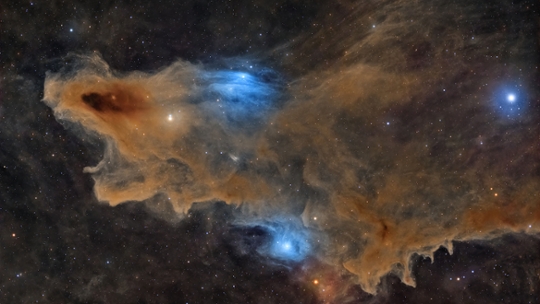
A Royal Observatory Greenwich contest showcased work from around the night sky and the solar system, with prize-winning photos spanning topics ranging from auroras to planets.
|
|
|
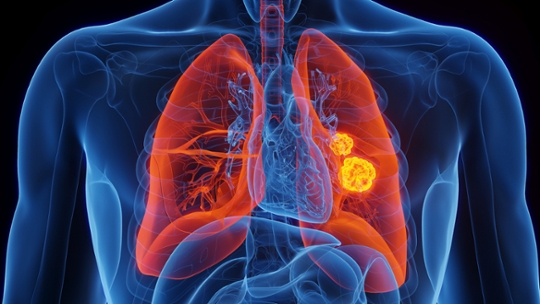
A genetic mutation that raises lung cancer risk was much more common among those born in Southeastern states than elsewhere in the U.S.
|
|
|
|
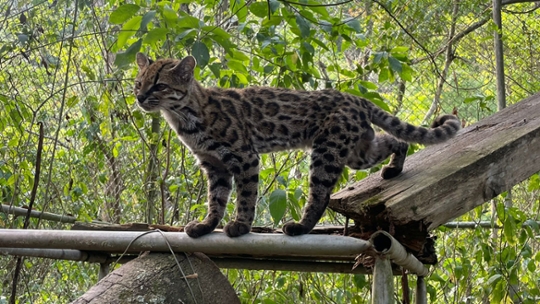
The South American tiger cat is not one species but five distinct species, a new study finds.
|
|
|
|
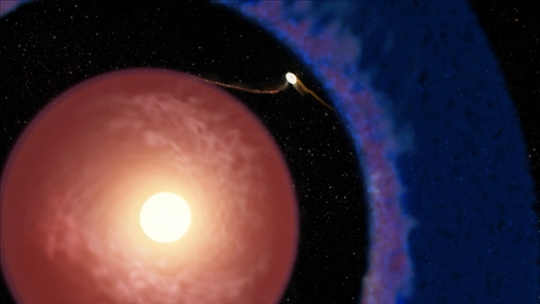
Astronomers have confirmed a large exoplanet is forming in the cloud of debris around a young star. At less than a million years old, it's the youngest exoplanet found so far.
|
|
|
|
If your blond preteen seems to be turning into a brunette, you're not imagining things. For some children, hair that starts out platinum blond gradually becomes darker and may end up dark brown, or even black, as they grow. So what causes this change?
|
|
The world can be a pretty mysterious place and in our Life's Little Mysteries series we love to ask and answer scientific questions about mysteries big and small: about ancient civilizations, our planet and our solar system, the plants and animals that live alongside us, our bodies and how they work, and the technologies that we use every day.
If you want to join us on this exciting voyage of discovery and downright weirdness, get an exclusive Life's Little Mystery delivered to your inbox before it's published anywhere else by signing up for our weekly newsletter.
|
|
|
|
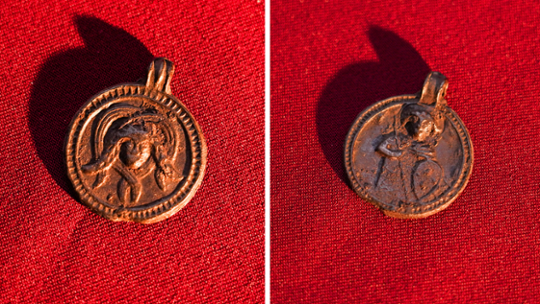
Archaeologists discovered the two-sided pendant, which features a snake-slaying saint and a snake-haired woman, during an excavation in northwestern Russia.
|
|
|
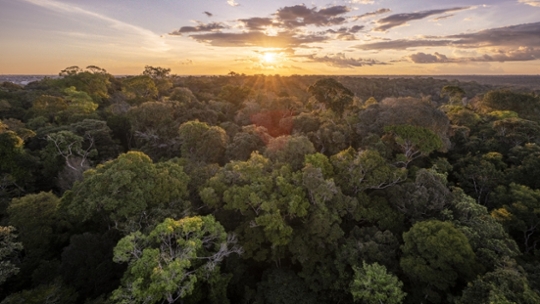
Live Science spoke with Amazon researcher Bernardo Flores about how El Niño could help drive Earth's largest tropical rainforest past a globe-altering tipping point.
|
|
|
|
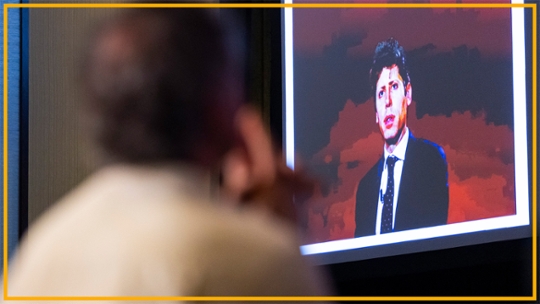
OpenAI's controversial claim to have cracked the Navier-Stokes existence-and-smoothness problem has sent shock waves through the mathematics community.
|
|
|
| Also in the news this week |
|
|
|
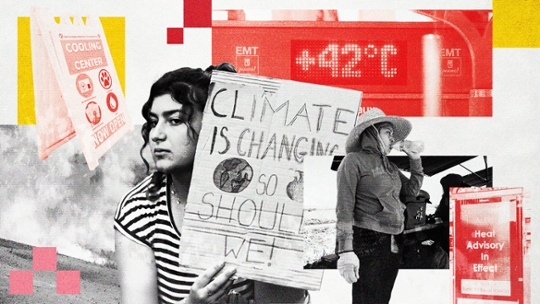
The impacts of climate change on health are becoming clearer. What can we do to respond?
|
|
|
| This week on Live Science Pro |
|
|
OPINION | AI is unlikely to launch a Hollywood-style war against us. Rather, the biggest danger of AI is that it will disappoint us, says Andrew Rogoyski.
|
|
|
|
|
ANALYSIS | A unique AI test environment resulted in crimes and self-destruction, and its makers say it's the best way to figure out how AI can behave in the real world.
|
|
|
|
|
EXCERPT | In this excerpt from "On Time: The Physics That Makes the Universe Tick," author and theoretical physicist Jim Al-Khalili examines the possibility of time starting before the Big Bang, with the cosmological theory of eternal inflation.
|
|
|
|
|
|
Go beyond the headlines to read the latest in-depth science features, op-eds, book excerpts and more.
|
|
|
| Something for the weekend |
|
|
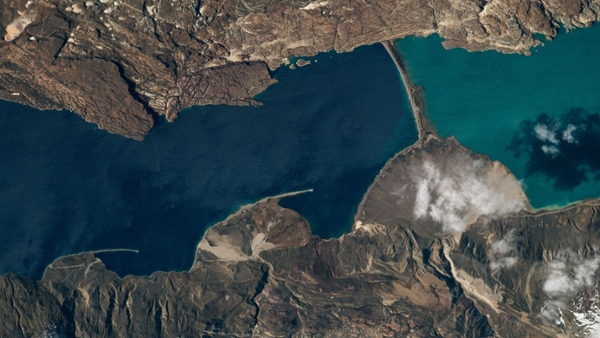
This eye-catching astronaut photo shows the point where an ancient Patagonian lake has been split by a peculiar land bridge, creating two contrastingly colored bodies of water.
Lake Pueyrredón (on the left in the photo) is the Argentine half of a roughly 40-mile-long (65 kilometers) glacial lake, which stretches across the country's border with Chile in Patagonia — a region in South America that is well known for its diverse range of geographic features, including mountains, fjords, deserts and rainforests. The Chilean half of the lake is known as Lake Cochrane (not shown in this image). Both halves hold crystal-clear water that is up to 1,600 feet (500 meters) deep, giving Pueyrredón a deep blue hue when viewed from above.
|
|
|
| Follow Live Science on social media |
|
|
|
|
|
|
|
|
|
|
When you purchase through links in our content, we may earn an affiliate commission.
Future US LLC © |
| Full 7th Floor, 130 West 42nd Street, New York, NY, 10036 |
|
|
|
|










No comments:
Post a Comment