---------- Forwarded message ---------
From:
Live Science <livescience@smartbrief.com>
Date: Sat, 8 Aug 2026 at 12:14
Subject: SpaceX moon crash | 'Poop pills' for insomnia | Rare whale birth filmed
To: <
zvagoman@gmail.com>

|
|
|
|
|
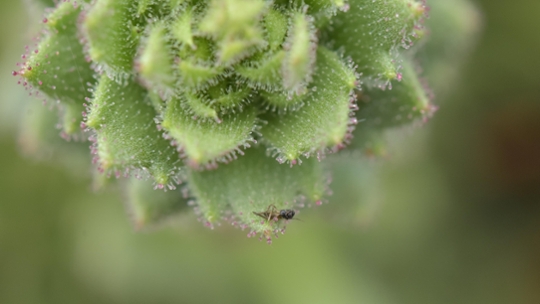
Scientists have confirmed that a flowering plant native to the mountains in southwest China is carnivorous, supporting a prediction made by Charles Darwin more than 150 years ago.
|
|
|
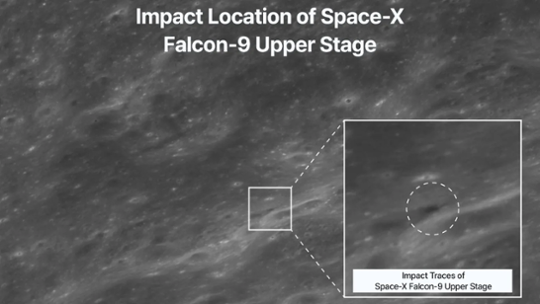
In the dead of night on Wednesday (Aug. 5), part of a defunct SpaceX rocket slammed into the moon at more than 5,000 mph (8,000 km/h) — and a Korean lunar satellite shared the first images of the aftermath.
|
|
|
INTERVIEW | Live Science spoke with professor of civil and environmental engineering Amir AghaKouchak about the reasons behind the Caspian Sea's stark decline over the past three decades.
|
|
|
|
ANALYSIS | Artificial intelligence (AI) has helped uncover new weaknesses in two cryptographic systems, including a simplified version of the Advanced Encryption Standard (AES) that underpins much of today's internet. While these headline-grabbing findings don't put anyone's passwords or bank accounts at immediate risk, experts say the research could mark the beginning of a new era in which AI becomes a powerful assistant for discovering flaws in the mathematical foundations of digital security.
|
|
|
|
Here are the main differences between yams and sweet potatoes and how to tell them apart.
|
|
|
|
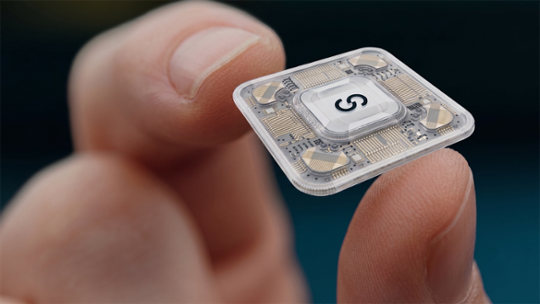
The world's first portable, room-temperature quantum computer with more than 10 qubits utilizes flawed lab-made diamonds. The quantum system fits into a standard server rack and connects to a typical power grid.
|
|
|
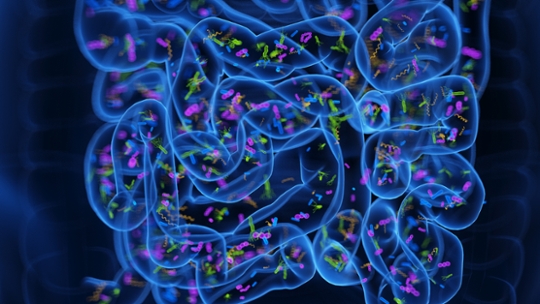
A poop transplant — otherwise known as a fecal microbiota transplant (FMT) — may help adults with long-term insomnia sleep better, a small study suggests. After the transplant, study participants' gut bacteria became more diverse than an untreated group of people with insomnia. Their sleep efficiency, meaning the percentage of time they spent asleep while in bed, also increased, researchers reported July 22 in the Journal of Internal Medicine.
If future studies confirm that FMT is safe and effective for the treatment of insomnia, it could become another tool against the sleep disorder, joining sleeping pills and cognitive behavioral therapy (CBT).
|
|
|
| Also in the news this week |
|
|
|
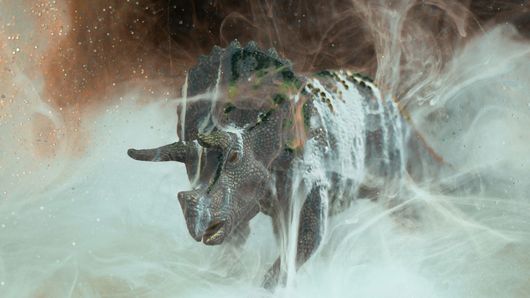
ANALYSIS | A revived hypothesis argues that a fungus-filled world after the Chicxulub asteroid impact may have given mammals an evolutionary edge. The idea could reshape how scientists think about mass extinctions, but it is still controversial.
|
|
|
| Something for the weekend |
|
|
|
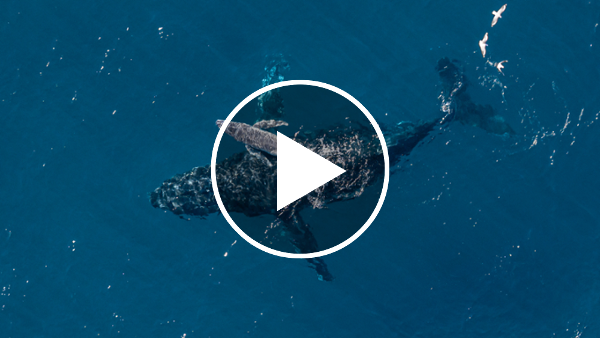
A camera drone captured extraordinarily rare footage of a humpback whale giving birth off the Australian coast.
|
|
|
| Follow Live Science on social media |
|
|
|
|
|
|
|
|
|
|









No comments:
Post a Comment