Click button please? Keep’emPeeled @ http://www.astronutter.com
Begin forwarded message:
On Saturday, August 15, 2026, 12:18 pm, Live Science <livescience@smartbrief.com> wrote:
Live Science

|
|
|
|
|
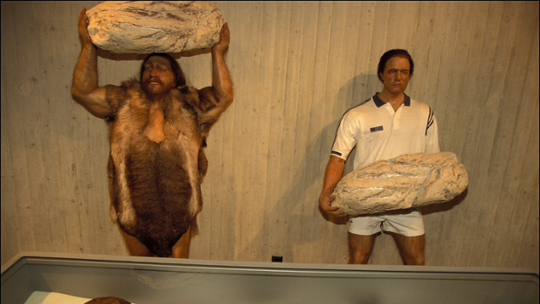
Tens of thousands of years ago, Neanderthals mated with modern humans and passed along a gene variant that enables us to pack on more muscle, a new study finds.
|
|
|
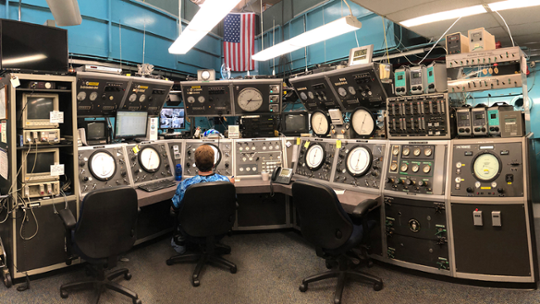
A new brain-inspired device is designed to kick AI systems into gear only when they detect something unusual. Could it reduce dependence on power-guzzling data centers?
|
|
|
|
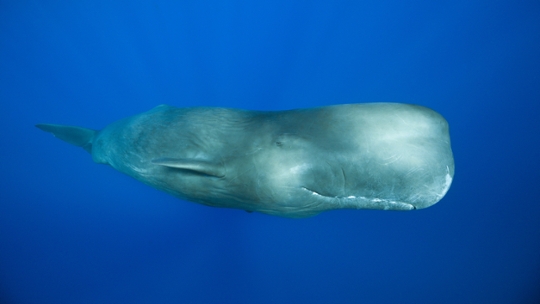
Researchers have studied a mysterious rhythmic clanging noise produced by male sperm whales.
|
|
|
|
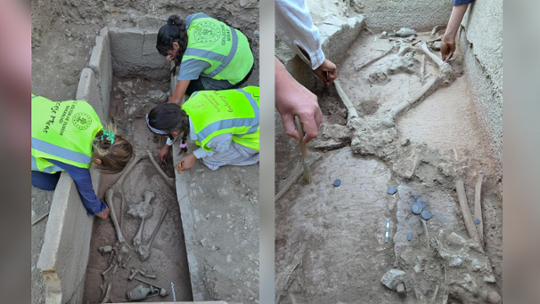
Archaeologists excavating near the ancient town of Aspendos in Turkey have discovered the grave of a person who may have been a pro athlete over two millennia ago.
|
|
|
|
If you've ever been jolted awake by your cat letting out a long, mournful cry in the middle of the night, your sleep-deprived brain may wonder why, exactly, your cute little pet yowls all the time. Understanding a cat’s yowl requires looking beyond the noise to the behavior and emotions behind it.
|
|
|
|
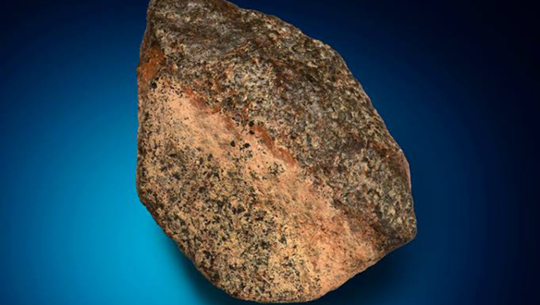
An unassuming, brownish stone may be one of the most precious objects on Earth. The rare rock, called Teghaza 001, is a piece of ancient Mars and gives geoscientists an invaluable opportunity to study the planet's oldest material. Now, a slew of recent studies based on evidence from the space rock are helping scientists understand more about the Red Planet's history of habitability.
|
|
|
|
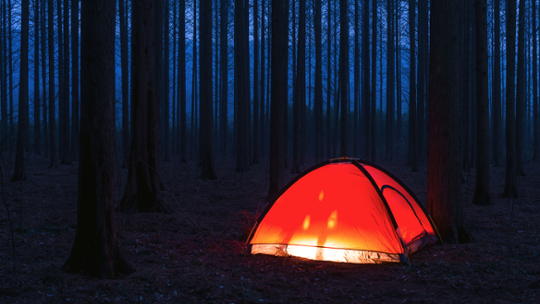
Researchers have developed a tent that harvests energy from its own motion — a process that could one day power small devices in shelters, disaster zones and off-grid camps.
|
|
|
A new study submerged pigs in a high-pressure tank and uncovered a potential new way to beat "the bends."
|
|
|
| Also in the news this week |
|
|
 |
| (Rasato Ma for Live Science) |
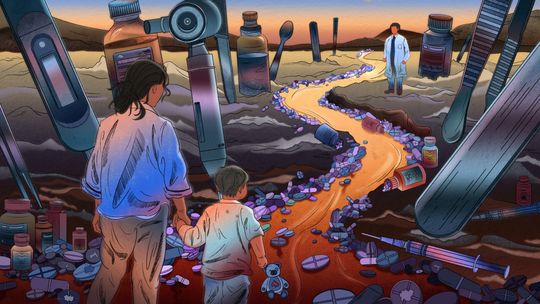
Antibiotic resistance is a "silent pandemic," posing huge threats to public health while raising little attention. But the danger is growing — in part, due to people overusing antibiotics — and no country is spared from the problem.
I recently traveled to Japan because the country's Ministry of Health is using a unique strategy to curb antibiotic overuse and thus fight resistance. Due to the nature of the Japanese healthcare system, the government can nudge doctors' practice one way or the other with extremely targeted financial incentives, and they've introduced one to steer antibiotic prescribing. Japanese doctors typically like these incentives; however, U.S. doctors have mixed feelings about the idea.
|
|
|
| This week on Live Science Pro |
|
|
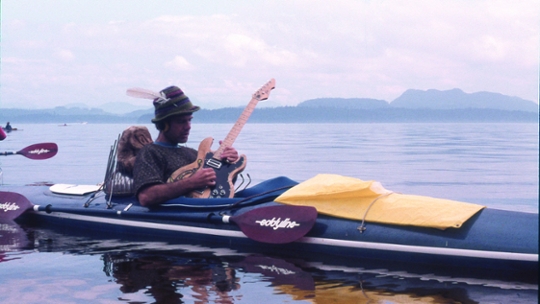
INTERVIEW | Composer Jim Nollman has collaborated with turkeys, kangaroo rats and whales. Now he's dropping 'Orcas' Greatest Hits.'
|
|
|
|
|
BOOK EXCERPT | How an 'immoral, foul-mouthed and violent man' wrote the first eyewitness account of a total solar eclipse.
|
|
|
|
|
OPINION | Banning young users from creating social media accounts may not be the best way to address its potential harms, says experts Jonathan Bellack and Mariana Olaizola Rosenblat
|
|
|
|
|
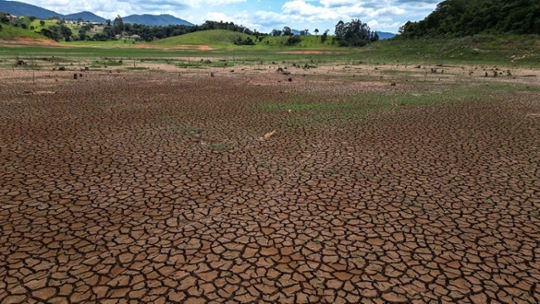
New research suggests some of Brazil's most important aquifers, located beneath major agricultural regions, aren't being replenished. What does this mean for the country's water supply and food exports? Sascha Pare investigates.
|
|
|
| Something for the weekend |
|
|
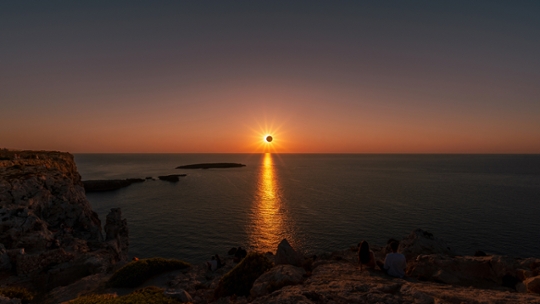
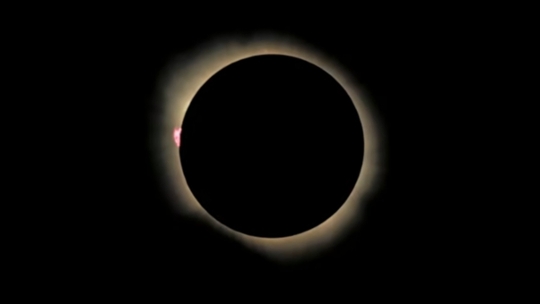
Captured Wednesday (Aug. 12) by NASA scientists during a special eclipse livestream from Spain, the images show the moon completely blocking the visible surface of the sun, plunging the daytime sky into twilight for roughly 90 seconds and allowing our star's elusive corona (its wispy outer atmosphere) to shine through.
In this incredible image taken with a solar-filtered telescope, the moon appears as a black circle, cloaking the sun. The white spikes of light encircling the moon are the corona, a mysterious part of the sun that is rarely visible to the naked eye. (Why is it so mysterious? For one thing, the corona is millions of degrees hotter than the sun's surface, and scientists aren't sure why.)
|
|
|
| Follow Live Science on social media |
|
|
|
|
|
|
|
|
|
|
When you purchase through links in our content, we may earn an affiliate commission.
Future US LLC © |
| Full 7th Floor, 130 West 42nd Street, New York, NY, 10036 |
|
|
|
|









No comments:
Post a Comment