|
|
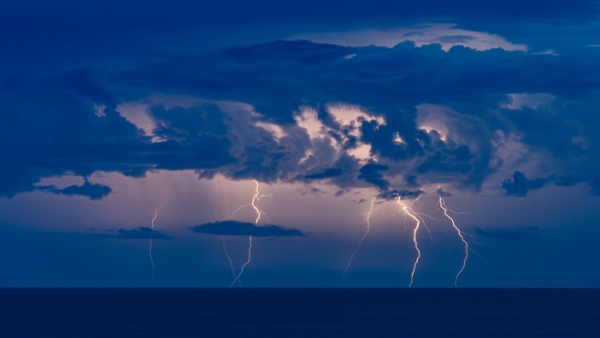
This week's science news was awash with alarming updates from the world's oceans, with the National Oceanic and Atmospheric Administration declaring the official onset of El Niño.
El Niño is the warm phase of a multiyear natural climate pattern in the Pacific Ocean that supercharges temperatures across the globe, and this one is looking to be particularly strong, earning it the unofficial moniker of a "super" El Niño. Just how intense is it? It will likely become the strongest in history, most climate models predict, and it may have profound effects on rainfall, wildfires and agricultural yields across the planet.
|
|
|
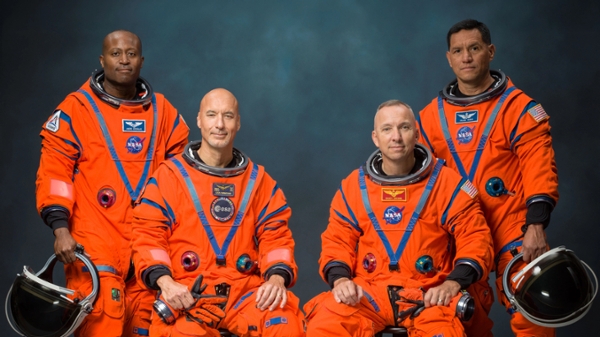
Less than two months after the triumphant splashdown of the Artemis II astronauts, NASA announced the crew for its next step toward the moon, which the agency is touting as one of its most complex yet.
NASA's Randy Bresnik will serve as commander, the European Space Agency's Luca Parmitano will be the pilot, and NASA's Andre Douglas and Dr. Frank Rubio will be the crew's mission specialists. They will launch into low Earth orbit in 2027 as part of a mission to test commercial lunar landers before 2028's scheduled return to the moon.
Yet most of the drama of this mission is taking place before it has even launched, with the two private companies commissioned by NASA to develop a lander — SpaceX and Blue Origin — suffering some explosive setbacks in recent weeks. What that means for the mission remains up in the air.
Discover more space news
|
|
|
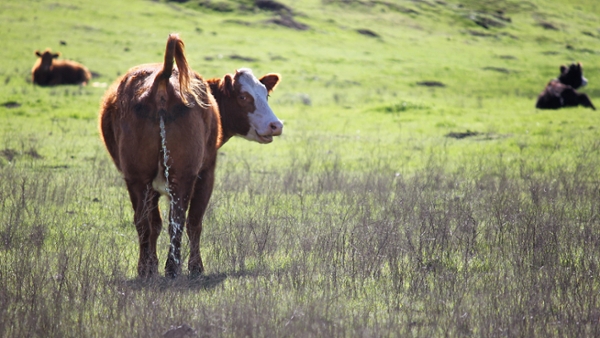
How much pee have you drunk in your lifetime? Your answer is almost certainly little to none, at least on purpose. But what if all the water you drink is the product of urination? It turns out this disturbing question is controversial even among scientists, Live Science's deep dive reveals.
|
|
|
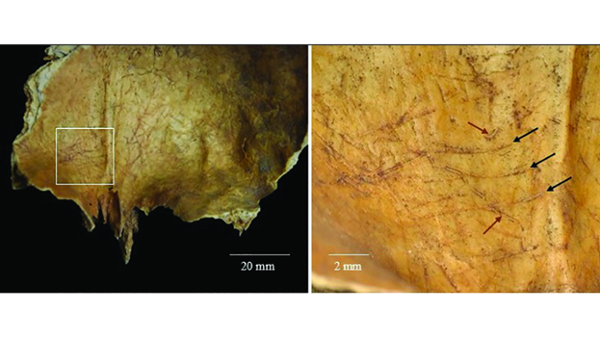
A new analysis this week revealed that a woman buried in the far North of Scotland had her brain scooped out and her arms whittled into tools.
Exactly what explains the unusual burial ritual remains unclear, according to the archaeologists who studied the remains. "However, the care with which she was reassembled and deposited in the cairn possibly suggests she commanded a level of reverence and respect by her community," said Laura Castells Navarro, an archaeologist at the University of York in the U.K. and part of the team.
Beyond the baffling and grisly finding, the team conducted a DNA analysis that found connections with individuals buried at sites across ancient Scotland, suggesting the people maintained complex social relationships across vast distances.
Discover more archaeology news
|
|
|
| Also in the news this week |
|
|
| Something for the weekend |
|
If you're looking for things to keep you busy over the weekend, here are some of the best news analyses, crosswords, interviews, opinion pieces and skywatching guides published this week.
|
|
|
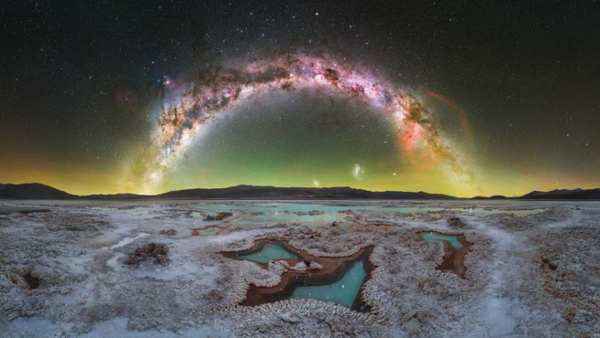
This stunning shot is one of the winners of the 2026 Milky Way Photographer of the Year contest, whose honorees captured the mixtures of gases and stars forming our home galaxy from vantages around the world.
This particular image is a long exposure captured by photographer Daniel Viñé Garcia over a salt flat in Argentina's arid Catamarca province. The brightest stars can be seen reflected in the turquoise, briny pools at the bottom.
|
|
|
Ben Turner is a U.K. based staff writer at Live Science. He covers physics and astronomy, among other topics like tech and climate change. He graduated from University College London with a degree in particle physics before training as a journalist. When he's not writing, Ben enjoys reading literature, playing the guitar and embarrassing himself with chess.
|
|
|
| Follow Live Science on social media |
|
|
|
|
|
|
|
|
|







No comments:
Post a Comment