Keep’emPeeled @ http://www.astronutter.com
Begin forwarded message:
On Saturday, October 24, 2026, 12:37 pm, Live Science <livescience@smartbrief.com> wrote:
Live Science

|
|
|
|
|
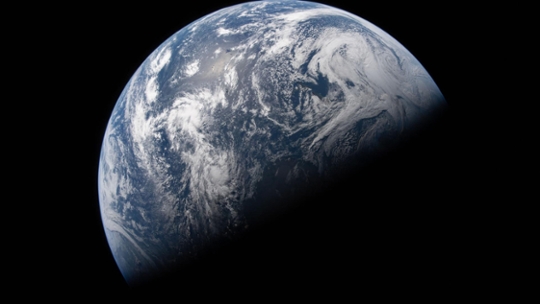
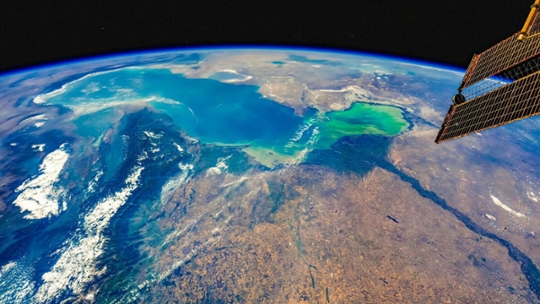
The melting of the poles is increasingly shifting Earth's shape at a faster rate, with the planet becoming more and more round.
|
|
|
The fault that triggered a massive earthquake in Myanmar last year is tilted much like California's San Andreas, which can influence how much shaking takes place and where.
|
|
|
|
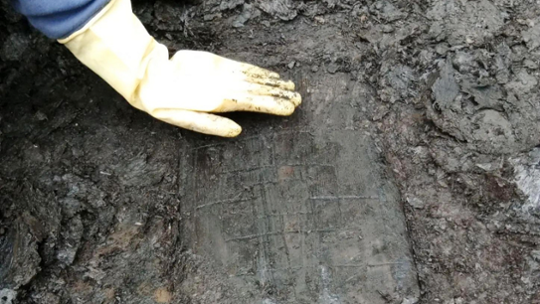
Archaeologists in Russia unearthed a flat wooden "pizza paddle" that had a board game carved into it.
|
|
|
Researchers have found that during the Black Death, when a third of Europe's population was wiped out, biodiversity fell. Understanding the farming practices of the time could help us increase diversity in modern agriculture.
|
|
|
|
Experts argue that the mysterious Voynich manuscript was incorrectly bound — a discovery that "moves the ball" in finally deciphering the 15th-century document.
|
|
|
A gene variant called APOE4 is the biggest genetic risk factor for Alzheimer's disease. Scientists are finally figuring out how it works.
|
|
|
|
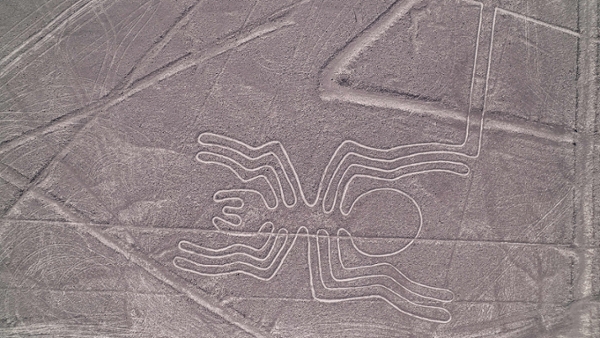
The Nazca Lines are the most famous geoglyphs in the world. Dating back around 2,000 years and reaching a combined length of more than 800 miles (1,300 kilometers), they depict a variety of motifs, including humans, animals, geometric shapes, plants and flowers. These designs were constructed on the arid hills and valleys of coastal Peru by the Nazca people between 200 B.C. and A.D. 500, long before writing was used in the region.
It's not clear exactly how many Nazca Lines there are, but they number in the thousands, with new geoglyphs continuing to be discovered with the help of AI.
But why were the Nazca Lines built?
|
|
The world can be a pretty mysterious place and in our Life's Little Mysteries series we love to ask and answer scientific questions about mysteries big and small: about ancient civilizations, our planet and our solar system, the plants and animals that live alongside us, our bodies and how they work, and the technologies that we use every day.
If you want to join us on this exciting voyage of discovery and downright weirdness, get an exclusive Life's Little Mystery delivered to your inbox before it's published anywhere else by signing up for our weekly newsletter.
|
|
|
|
Researchers propose a new subtype of depression linked to body-clock patterns.
|
|
|
In a new pilot study, 10 minutes of transcranial ultrasound stimulation reduced patients' delusion severity, scientists report.
|
|
|
|
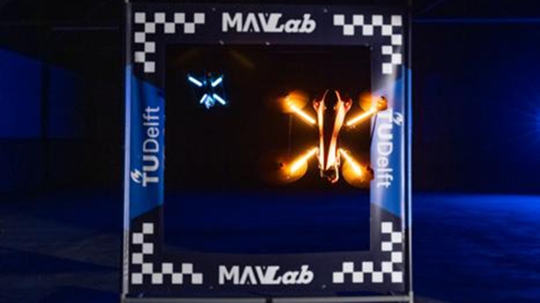
An AI-operated drone learned to fly from scratch and navigated a race course at speeds over 60 mph, using a single camera.
|
|
|
A recent study may reshape our understanding of brain evolution and open new avenues for studying neurological diseases.
|
|
|
| Also in the news this week |
|
|
|
As climate change raises global temperatures and throws ecosystems into upheaval, plants will need to draw once more upon this resilience. Many plant species have evolved unique adaptations that help them weather harsh conditions. Experts told Live Science that these adaptations — along with a hefty dose of luck — will now decide the difference between survival and extinction.
|
|
|
| This week on Live Science Pro |
|
|
INTERVIEW | Live Science spoke with Matt Rutherford, a sailor and founder of the environmental nonprofit Ocean Research Project, about his attempt to circumnavigate the Arctic Ocean and why he'll have to try again next year.
|
|
|
|
|
ANALYSIS | As climate change fuels extreme temperatures and makes severely hot days more frequent, doctors are concerned about the health impacts on pregnant people.
|
|
|
|
|
INTERVIEW |Live Science sat down with the European Space Agency's Simonetta Cheli to discuss the importance of Earth observation, how NASA budget cuts have changed the picture, and how the proliferation of private satellites could hinder our ability to view the planet.
|
|
|
|
|
|
Go beyond the headlines to read the latest in-depth science features, op-eds, book excerpts and more.
|
|
|
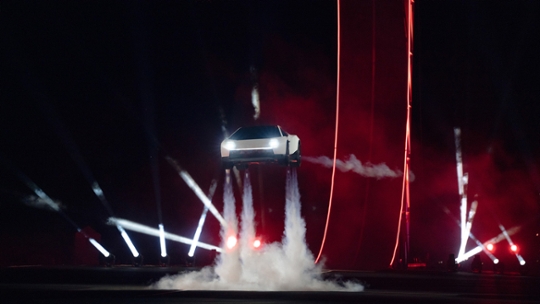
Tesla has unveiled a new "flying" version of its Roadster electric vehicle (EV) that uses SpaceX tech to pull off seemingly impressive airborne acrobatics.
During a filmed demonstration at the SpaceX rocket testing facility in Texas on Oct. 15, the second-generation Tesla Roadster was shown accelerating up a curved ramp before launching itself into the air, performing a 180-degree barrel roll and touching back down to Earth.
In another stunt, the vehicle leapt over a row of parked Teslas. For safety reasons, the vehicle was operated remotely in both instances.
"Turns out, the future does have flying cars," Tesla and SpaceX CEO Elon Musk wrote on X following the demonstration.
|
|
|
| Something for the weekend |
|
|
|
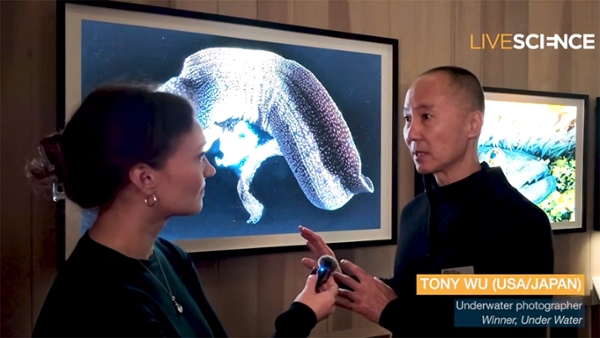
The Wildlife Photographer of Year 2026 showcased amazing photos this year and Live Science got a first look at all the finalists. From reproductive behaviors of Abbott's Moray eels captured on camera for the first time, to surreal images that look like they belong in our all time favorite films, enjoy listening to photographers tell us their stories behind the shot
|
|
|
|
Test your knowledge on all things science with our weekly, free crossword puzzle!
|
|
|
|
|
You have six chances to guess our five letter word of the day. Can you figure it out and top the leaderboard?
|
|
|
|
|
Get a new challenge every day with our free online sudoku puzzles.
|
|
|
|
| Follow Live Science on social media |
|
|
|
|
|
|
|
|
|
|
When you purchase through links in our content, we may earn an affiliate commission.
Future US LLC © |
| Full 7th Floor, 130 West 42nd Street, New York, NY, 10036 |
|
|
|
|